Kako Hiking Shoe Brand History Guide
Kako Hiking Shoe Brand History Guide
Kako Hiking Shoe Brand History Guide: Matching Series Positioning to Current Trail Needs
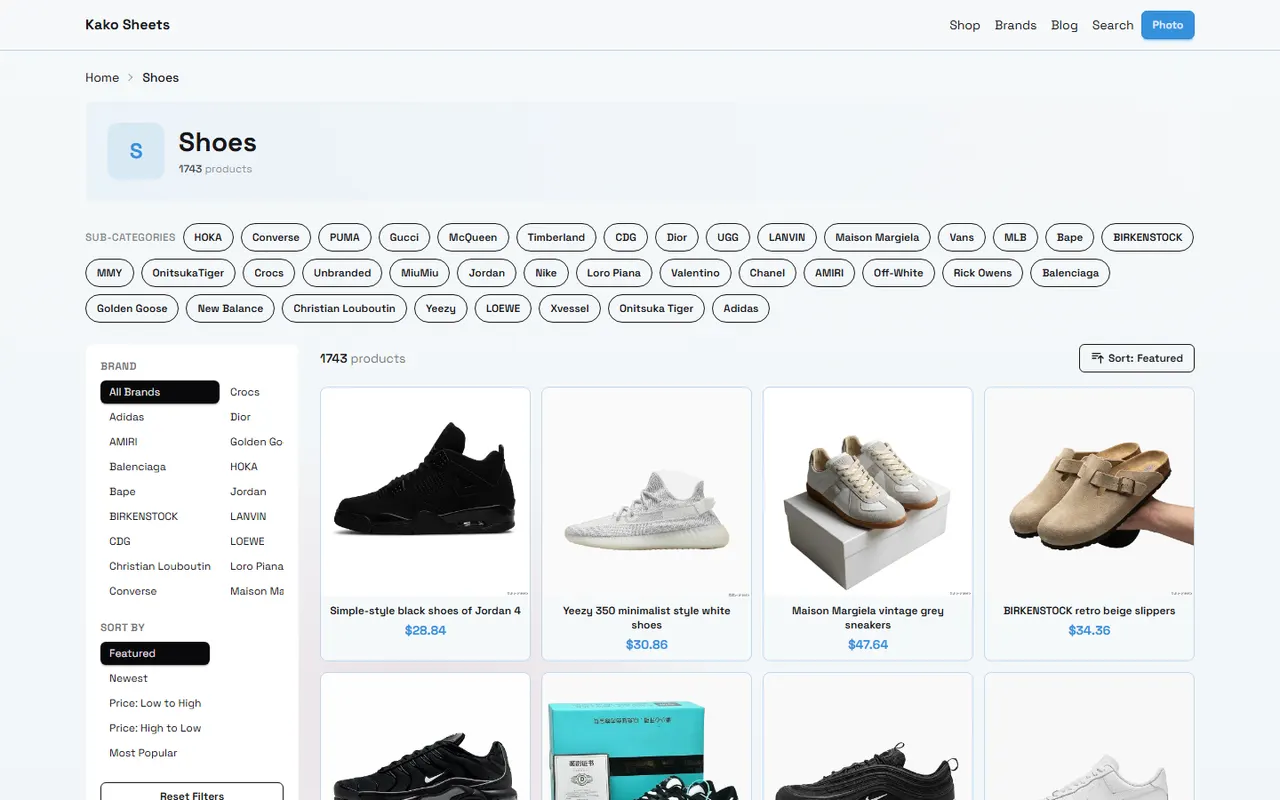
When choosing hiking shoes, brand history can help you understand what a series has long prioritized, but it cannot replace verification of the current model, sizing, and purchase conditions. For those planning to wear shoes on mountain paths, forest trails, or during travel, the more important question is: does this shoe's series positioning truly match your route, weather, load, and walking duration? 🥾
This article is for readers who are comparing Kako hiking shoe series, planning to view product information through kako-sheets.org, or want to turn brand marketing into practical purchase decisions. After reading, you should be able to perform a basic screening: first define the route task, then verify the current model's upper, outsole, last, sizing, and visible product information, and finally decide whether to buy, continue asking the seller, or postpone the order.
This article is not suitable for those needing professional mountaineering boots, ice climbing equipment, extreme high-altitude protection, or who already have obvious foot pain or injuries. Brand history only provides background and cannot prove that a particular model is suitable for all terrains.
First Determine the Route and Shoe-Wearing Task
Don't start with "Is this brand good?" but with the route and usage task. The suitability of hiking shoes usually depends on the combination of terrain, weather, load, and duration.
You can first record the following information:
Surface: paved roads, gravel, dirt, wet slippery rocks, or mixed surfaces.
Expected weather: dry, rainy, low temperature, high temperature, or significant diurnal temperature variation.
Trip length: short walks, half-day hikes, full-day walks, or multi-day travel.
Load weight: light load, regular daypack, or carrying camping and photography equipment.
Purpose: mainly for city travel, forest trail walking, low-difficulty mountain paths, or more complex outdoor routes.
Foot shape and wearing habits: forefoot width, instep height, whether wearing thick socks, and whether foot support is needed.
If your route is mainly urban and scenic area walking, lightweight, breathable, and sizing comfort are often more important than heavy protection. If the route includes gravel, wet mud, and continuous ups and downs, focus on outsole tread, upper coverage, and heel stability. For multi-day travel, also consider weight, drying speed, and foot feel after long wear. 🌦️
How to Separate Brand History Information from Current Model Information
Brand history answers "how did this brand or series form its positioning in the past", while current model information answers "what exactly is this pair of shoes in front of you". The two cannot be mixed.
Brand history can help you build initial expectations, such as whether a series has long been oriented toward daily outdoor use, travel walking, or more protective emphasis. But historical data cannot directly prove that the current product still uses the same materials, last, outsole formula, or production specifications.
The current model needs to be checked separately:
Is the product name and model complete?
Does the product page have clear, recognizable images of the upper and sole?
Does the page specify the upper, lining, outsole, or protective structure?
What sizing system is used, and is foot length or insole length reference provided?
Are the displayed colors, stock, and price still valid?
Is the item a single shoe, a set, or another sales form?
Who handles purchase, warehouse inspection, consolidation, and shipping, and what information needs to be confirmed before ordering?
When viewing products on kako-sheets.org, use the visible page information as the current basis for judgment; if key specifications are missing, do not fill gaps with brand impression. For price, stock, sizing, shipping, and after-sales conditions, re-verify before actual ordering, as these may change over time, region, and order conditions. 📌
Identify the Brand's Design Orientation from the Shoe Product Line
When observing a brand's product line, first look at how it distributes the uses of different series, rather than focusing on a single promotional phrase. Repetitive features in the product line are usually more informative than a description like "suitable for outdoor use".
You can compare the following directions:
Observation Direction | What Can Be Judged | What Still Needs Separate Verification |
|---|---|---|
Outsole tread and hardness | More oriented toward city, forest trail, or complex terrain | Actual grip performance, wet performance, and wear |
Upper structure | More emphasis on breathability, coverage, or abrasion resistance | Material composition, seam quality, and long-term durability |
Collar height | May reflect ankle coverage and on/off orientation | Whether it truly provides sufficient support, cannot rely on appearance alone |
Last contour | May show forefoot width and foot shape orientation | Specific sizing, foot length, foot width, and try-on feedback |
Series naming and scene description | Helps distinguish travel, walking, or hiking positioning | Whether the current model still fits that positioning |
These clues are suitable for narrowing the range, not directly as performance proof. For example, deep tread outsole looks more outdoorsy, but if the page does not clearly explain materials, structure, or applicable conditions, it still cannot guarantee performance on wet slippery rocks.
Check Visible Features such as Upper, Outsole, and Last
Upper
First observe the upper's coverage, seam positions, lace area, and forefoot protective structure. More upper coverage usually means design emphasis on wrapping or abrasion resistance; a higher proportion of mesh may emphasize breathability and weight reduction. But images can only indicate appearance and structural clues, not prove actual breathability, abrasion life, or waterproof rating.
If the product image only shows the side, continue looking for toe, sole, tongue, and heel images. If these angles are missing, record "structure not fully verified" rather than assuming a certain protective performance.
Outsole
The outsole is an important part of judging route suitability. When observing, record tread depth, arrangement direction, edge coverage, and forefoot/rearfoot zoning. Continuous transverse shallow tread may be more suitable for city and light walking; pronounced multi-directional tread may be more suitable for scenarios requiring mud shedding and increased contact edges, but this is still only a preliminary judgment based on images.
Do not directly describe outsole appearance as "non-slip", "strong grip", or "suitable for all mountain paths". If the page lacks verifiable material descriptions, test conditions, or usage boundaries, use more cautious expressions, such as "from the image, the tread design warrants further verification".
Last and Sizing
The last determines that sizing judgment cannot rely solely on numbers. The same marked size may produce different foot feels across different brands, series, or even shoe types.
Before purchasing, verify:
Which sizing system does the page use?
Are foot length, foot width, or insole length data provided?
Does the size chart correspond to foot length or in-shoe length?
Will your usual sock thickness affect space requirements?
Does your forefoot need extra width?
Are there cases where different colors or batches use different sizing information?
If the page only provides EU or US sizes without foot length and width references, ask the seller for specific measurement methods. Do not order solely based on "usually wearing a certain size", especially when preparing for long downhill sections or carrying a heavy backpack.
Match Series Positioning to Walking, Hiking, and Travel Scenarios
You can match series using "route risk and wearing burden" rather than substituting brand reputation for scenario judgment.
For city travel and scenic area walking, prioritize weight, breathability, ease of on/off, and sizing comfort. The outsole need not be overly heavy for extreme terrain, but still confirm it can handle stairs, gravel, and short dirt paths in your plan.
For low-difficulty forest trails and short hikes, focus on outsole tread, upper coverage, toe protection, and heel locking. If weather is changeable, also confirm whether the page provides clear water-repellent or waterproof instructions; do not equate synthetic materials or a closed appearance with waterproofing.
For routes with continuous ups and downs, more gravel, or heavier loads, pay more attention to outsole stability, heel locking, upper structure, and sizing margin. If product information cannot clarify these key points, list it as a candidate for further verification rather than directly treating it as complex mountain terrain equipment.
For multi-day travel, in addition to route suitability, consider luggage space, drying conditions, backup shoe arrangements, and after-sales handling. Even if the shoe positioning is suitable, if sizing information is unclear and return/exchange conditions are ambiguous, the actual travel risk may still be high. 🎒
What Brand Marketing, Specifications, and Images Can Each Prove
Different evidence serves different functions and cannot replace each other.
Brand marketing is suitable for explaining design goals, such as lightweight, travel, outdoor, or hiking orientation. It cannot alone prove actual durability, grip, or comfort.
Specification information is suitable for confirming materials, sizing, weight, structure, and applicable conditions. When specifications are missing, do not infer from adjacent models or other color pages.
Product images are suitable for observing upper stitching, outsole tread, collar height, toe shape, and overall structure. Images cannot prove material feel, actual hardness, wearing temperature, or long-term performance.
Warehouse inspection photos, if available, are mainly valuable for verifying order consistency with the actual item, such as color, size markings, left/right foot, obvious appearance flaws, and packaging condition. When viewing QC photos, do not ask to disclose order numbers, addresses, phone numbers, payment information, or complete waybills; screenshots involving personal information should be obscured first. If photos cannot clearly show key parts, continue asking rather than treating blurry areas as qualified evidence.
Between ordering, inspection, consolidation, and shipping, also distinguish product issues from logistics issues. Inspection can help discover obvious model, color, or appearance differences, but cannot replace professional performance testing, nor guarantee the final condition after long-distance transport.
Pre-Purchase Model and Sizing Review Checklist
Before ordering, complete the review in the following order:
Write down route type, expected weather, trip length, and load weight.
Choose the series closest to the route, rather than filtering first by popularity or lowest price.
Open the current product page and confirm completeness of product name, model, and visible images.
Record facts that can be confirmed about the upper, outsole, collar, and last.
Mark items not covered on the page, such as waterproof rating, weight, material ratio, or insole length.
Verify sizing based on foot length, foot width, and sock thickness, not just regular shoe size.
Ask the seller key questions that cannot be confirmed from the page, and keep records of replies.
Check current price, stock, shipping, warehouse inspection service, and after-sales conditions.
Decide whether to use consolidation, and estimate package volume, value, shipping restrictions, and loss risk.
After ordering, review inspection photos to confirm the actual item matches order information before proceeding with shipping.
Consolidation is not always cheaper. It may reduce duplicated first weight or some operating costs, but may also increase volumetric weight, package value, and single-loss risk; splitting may increase fixed costs but can resolve route restrictions or reduce per-parcel risk. Calculate based on order samples rather than applying a blanket conclusion that "consolidation is always a good deal". 💡
Complete Selection Based on Evidence or Continue Asking the Seller
When the current model meets the minimum requirements for route, sizing, and purchase conditions, and key facts have sources, you can enter the pre-order confirmation stage. Save product page, sizing information, seller responses, and order conditions for later verification.
If missing last data, outsole description, key angle images, or clear after-sales conditions, do not fill these gaps with brand history. A safer approach is to continue asking the seller or choose a model with more complete information.
If page price, stock, or shipping changes, use the re-verified results. If the destination country has additional requirements for shoes, leather, special materials, or import declaration, check local regulations in advance, declare according to the true product and true value, and do not use undervaluation, order splitting to avoid taxes, or methods to evade inspection.
The final choice can be summarized into four categories:
Sufficient evidence and route match: proceed to sizing and order confirmation.
Route roughly matches but specifications insufficient: continue asking the seller.
Sizing or after-sales conditions unclear: postpone the order.
Need extreme protection or professional mountaineering performance: look for equipment with clear professional specifications and usage boundaries.
The value of brand history is to help you understand why a series is designed the way it is; what truly determines the purchase is whether the current model can correspond to your route task with verifiable information. Separating historical background, product specifications, image evidence, sizing judgment, and purchase process usually proves more reliable than looking at brand stories alone.
Agent Platform Shopping FAQ
1. What is the process for viewing QC photos on kako-sheets.org?
When reviewing QC photos on kako-sheets.org, pay attention to the distinctive characteristics of the item you bought. For instance, if you ordered shoes, look at several critical spots—the front, back, and the tongue area—to evaluate the stitching quality, the overall construction, and how thick the tongue is to determine if it's a premium product. When checking apparel, examine the neck label, the stitched logo design, the material, and whether the collar and cuffs lie flat and neat, along with other specifics.
2. What product types are listed on kako-sheets.org?
kako-sheets.org features a vast selection of goods, covering shoes, tees, sweaters, hooded sweatshirts, denim, joggers, shorts, swim trunks, clearance factory items, padded jackets, baseball-style jerseys, button-ups, headwear, accessories, handbags, tech gadgets, eyewear, socks, undergarments, and popular collectible figures.
Browse our latest products and find your next favorite item.